Lazada API integration allows eCommerce software vendors to connect their products with Lazada and work with marketplace data such as products, orders, inventory, prices, and customer details. For SaaS teams, this integration can support order management, inventory sync, PIM, shipping, repricing, and marketplace analytics workflows.
The opportunity in Southeast Asia remains strong. Momentum Works reports that Southeast Asia's platform ecommerce market reached US$157.6 billion in GMV in 2025, growing 22.8% year over year. In addition, Shopee, Lazada, and TikTok Shop together controlled around 98.8% of the regional platform ecommerce market. Therefore, Lazada API connectivity remains important for software vendors that serve Southeast Asian merchants.
In this article, you will learn how Lazada API integration works, which API endpoints matter in 2026, what challenges developers face, and how API2Cart helps simplify integration development through a unified API.
What Does Lazada Integration Mean for eCommerce Software?
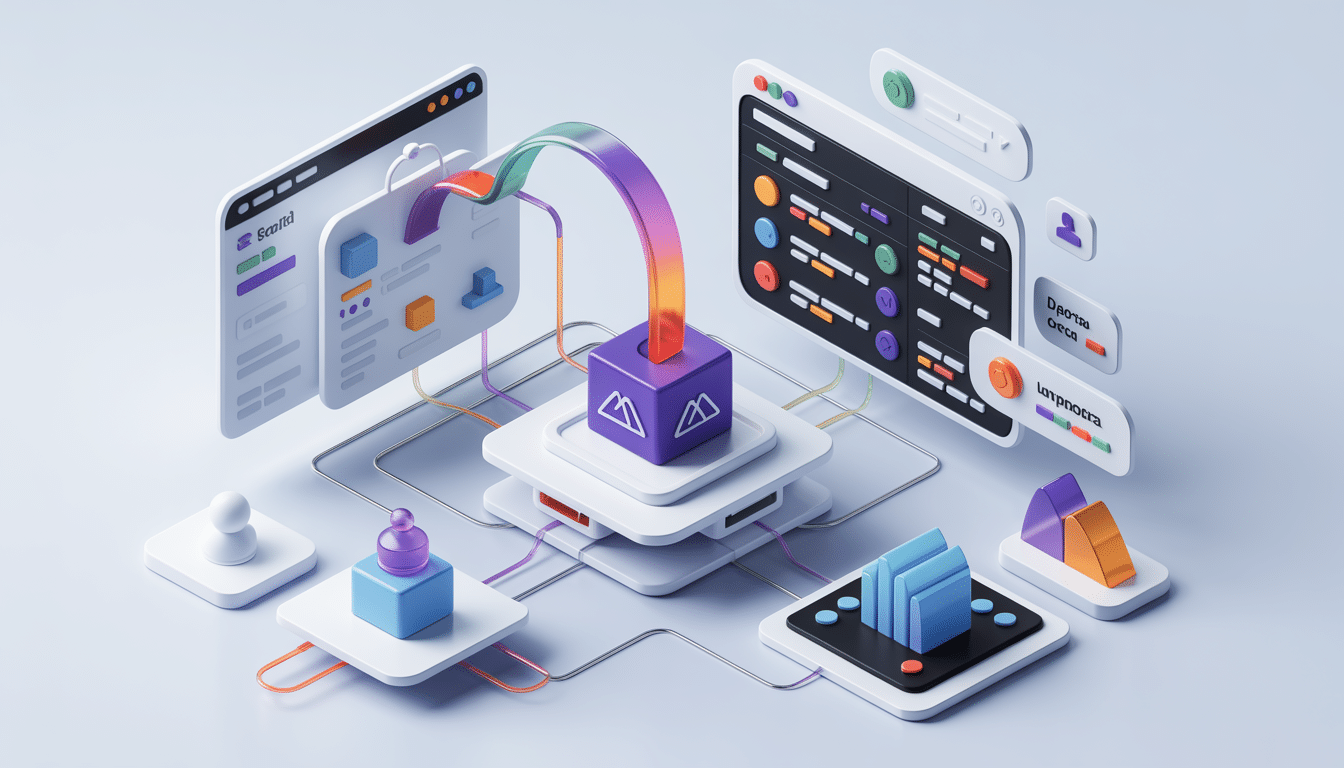
Example of Lazada API integration architecture connecting eCommerce software with marketplace data such as products, orders, inventory, and customers.
Lazada API integration is the process of connecting an eCommerce software solution with the Lazada platform to access and manage store data programmatically. In practice, this allows software vendors to interact directly with core marketplace operations, such as product management, order processing, inventory updates, and customer data synchronization.
How Lazada Integration Development Works
From a technical perspective, Lazada integration development involves working with the Lazada API, which exposes the marketplace's functionality through a structured set of endpoints. As a result, developers can automate routine operations and maintain consistent data exchange between their software and Lazada stores without manual intervention.
How Does the Lazada API Work Under the Hood?
The Lazada API follows RESTful principles and uses standard HTTP methods such as GET, POST, PUT, and DELETE. Because of this, the API remains predictable and easy to integrate with most programming languages and backend frameworks commonly used in eCommerce software development.
In addition, Lazada APIs rely on JSON for data exchange, which significantly simplifies request parsing and response handling on the application side. As a result, developers can process large volumes of product, order, and inventory data without introducing extra transformation layers.
Authentication and Security in Lazada API
When it comes to security, authentication is handled via OAuth 2.0. Before accessing Lazada API endpoints, developers must register an application, obtain a client ID and client secret, and generate access tokens. This approach ensures secure communication between your software and the Lazada platform while maintaining controlled access to store data.
Working with Products, Orders, and Store Data
Finally, Lazada API endpoints allow developers to work with core entities such as products, orders, prices, stock levels, and customer information. Moreover, the API supports product listing management, making it possible to create new listings, update existing products, and keep marketplace data synchronized with internal systems.
What Lazada API updates matter in 2026?
Lazada Open Platform continues to expand beyond basic product and order data. Its LazOP 2.0 documentation highlights additional API capabilities for product reviews, seller metrics, media uploads, promotion tools, Lazada Push, reverse orders, and other marketplace workflows.
As a result, developers need to track not only standard catalog and order endpoints, but also newer API areas that affect seller operations, content, promotions, and customer feedback.
New and expanded Lazada API endpoint groups
- Product Review API: allows developers to retrieve product reviews and submit seller replies.
- Seller API: provides updated seller performance metrics and seller status data.
- Media Center API: supports video upload workflows and video detail retrieval for product listings.
- Promotion Tools API: includes voucher creation, updates, activation, deactivation, and voucher product management.
- Lazada Push: helps applications receive event-based updates, including order-related notifications.
- Reverse Order APIs: support return and after-sales workflows.
However, each API group has its own parameters, permissions, and response logic. Therefore, software vendors need a stable integration layer to reduce custom development and long-term maintenance work.
Key Features of the Lazada API
The Lazada API follows the RESTful architectural style and uses standard HTTP methods, such as GET, POST, PUT, and DELETE for communication. This simplicity allows for easy integration with a variety of programming languages and frameworks. Therefore, developers can implement Lazada integration with minimal complexity.
Data Exchange with Lazada API
For data exchange, the Lazada API uses the widely-adopted JSON (JavaScript Object Notation) format. By securing data in this format, the API simplifies parsing and makes it straightforward for developers to work with the data. As a result, it helps streamline development and improve efficiency.
Authentication with OAuth 2.0
To authenticate API requests, the Lazada API relies on the OAuth 2.0 protocol. This ensures secure access to store data. Before using the API, developers must authenticate their applications and obtain access tokens by providing credentials such as the client ID and client secret. This approach enhances security while granting controlled access to data.
Exchanging Data and Managing Product Listings
Once authenticated, developers can use the Lazada API to exchange critical data such as product listings, orders, customer details, and inventory levels. In addition, the API provides the functionality for merchants to manage their product listings—whether adding new products, updating existing ones, or managing inventory data in real-time.
Overall Benefits for Developers
Overall, the Lazada API offers powerful tools to help developers integrate their software with one of the leading eCommerce platforms in Southeast Asia, ultimately improving business operations and driving success for merchants.
What are the benefits of Lazada integration for software vendors?
Lazada integration helps eCommerce software providers support marketplace workflows for sellers in Southeast Asia. In addition, it allows SaaS products to expand platform coverage and serve clients that operate across several regional channels.
- Access to marketplace data: your software can work with Lazada products, orders, prices, stock levels, customer data, and shipment-related information.
- Support for regional growth: Lazada remains one of the key platforms in Southeast Asia, so integration helps SaaS vendors cover an important marketplace in the region.
- Better automation: developers can automate product updates, order processing, inventory sync, and other workflows that would otherwise require manual work.
- Scalable product architecture: Lazada API integration helps software teams add marketplace functionality without rebuilding their core product logic.
As a result, Lazada connectivity can make eCommerce software more useful for merchants that sell across Southeast Asian marketplaces.
Challenges and Common Issues with Lazada Integration
Despite the many benefits of integrating with Lazada, developers may face several challenges during the process. Understanding these common issues is essential to ensure a smooth integration experience. Let's explore some of the difficulties:
- OAuth Authentication: Setting up and managing OAuth authentication for Lazada's API can be a complex task. Developers often face issues with obtaining or refreshing access tokens. For more detailed guidance, refer to the Lazada API documentation.
- Data Anomalies and Synchronization Issues: Problems with data formats and mapping between eCommerce software and Lazada may lead to synchronization issues. Proper understanding of the Lazada API docs can help resolve these discrepancies.
- Webhooks Configuration: Configuring and handling webhooks for real-time updates can be challenging. Ensuring reliable notification delivery requires a solid understanding of the Lazada API. Check the Lazada API documentation for webhook setup details.
- Policy Changes: Updates to Lazada's API or changes in their policies could disrupt the integration process. Keeping up-to-date with the Lazada API docs is essential to mitigate potential issues.
- Testing and Debugging: Thorough integration testing and debugging can be time-consuming, especially with real-time data interactions. Developers should refer to the Lazada API documentation for testing best practices and troubleshooting advice.
The Possible Way To Develop The Integration
Using a Unified API Instead of Building and Maintaining Integrations In-House
API2Cart is a robust solution that facilitates seamless integration of eCommerce software with diverse platforms and marketplaces such as Lazada. Instead of developing and supporting a separate integration for each platform, software vendors can rely on a unified API that helps connect software to Lazada's eCommerce ecosystem through a single, consistent interface.

How API2Cart Simplifies Lazada API Complexity
In practice, API2Cart offers developers a standardized interface for unified data access and management across multiple eCommerce platforms. As a result, development teams do not need to work directly with multiple platform-specific APIs and can avoid handling their individual complexities.
Moreover, API2Cart simplifies and standardizes a broad set of 100+ API methods, making them applicable across different eCommerce platforms. This approach allows development teams to reuse the same logic for products, orders, inventory, and customers, while maintaining predictable request and response structures.
Example: Product List Response Structure for Lazada
Moreover, API2Cart simplifies and standardizes a broad set of 100+ API methods. As a result, developers can use the same logic to work with products, orders, customers, and other store data across different eCommerce platforms.
Below is an example of the response structure returned by the API2Cart product.list method when working with Lazada stores:
{
  'return_code': 0,
  'return_message': 'string',
  'pagination': {
    'previous': 'string',
    'next': 'string',
    'additional_fields': {},
    'custom_fields': {}
  },
  'result': {
    'products_count': 0,
    'product': [
      {
        'id': 'string',
        'type': 'string',
        'u_model': 'string',
        'u_sku': 'string',
        'name': 'string',
        'description': 'string',
        'short_description': 'string',
        'price': 0,
        'advanced_price': [
          {
            'id': 'string',
            'value': 0,
            'avail': true,
            'group_id': 'string',
            'quantity_from': 0,
            'start_time': {
              'value': 'string',
              'format': 'string',
              'additional_fields': {},
              'custom_fields': {}
            },
            'expire_time': {
              'value': 'string',
              'format': 'string',
              'additional_fields': {},
              'custom_fields': {}
            },
            'additional_fields': {},
            'custom_fields': {}
          }
        ],
        'cost_price': 0,
        'quantity': 0,
        'inventory': [
          {
            'warehouse_id': 'string',
            'quantity': 0,
            'in_stock': true,
            'priority': 0,
            'additional_fields': {},
            'custom_fields': {}
          }
        ],
        'group_items': [
          {
            'child_item_id': 'string',
            'product_id': 'string',
            'default_qty_in_pack': 'string',
            'is_qty_in_pack_fixed': true,
            'price': 0,
            'additional_fields': {},
            'custom_fields': {}
          }
        ],
        'u_brand_id': 'string',
        'u_brand': 'string',
        'categories_ids': [
          'string'
        ],
        'stores_ids': [
          'string'
        ],
        'url': 'string',
        'seo_url': 'string',
        'meta_title': 'string',
        'meta_keywords': 'string',
        'meta_description': 'string',
        'avail_sale': true,
        'avail_view': true,
        'is_virtual': true,
        'is_downloadable': true,
        'weight': 0,
        'weight_unit': 'string',
        'sort_order': 0,
        'in_stock': true,
        'on_sale': true,
        'backorders': 'string',
        'manage_stock': 'string',
        'is_stock_managed': true,
        'create_at': {
          'value': 'string',
          'format': 'string',
          'additional_fields': {},
          'custom_fields': {}
        },
        'modified_at': {
          'value': 'string',
          'format': 'string',
          'additional_fields': {},
          'custom_fields': {}
        },
        'tax_class_id': 'string',
        'special_price': {
          'value': 0,
          'avail': true,
          'created_at': {
            'value': 'string',
            'format': 'string',
            'additional_fields': {},
            'custom_fields': {}
          },
          'modified_at': {
            'value': 'string',
            'format': 'string',
            'additional_fields': {},
            'custom_fields': {}
          },
          'expired_at': {
            'value': 'string',
            'format': 'string',
            'additional_fields': {},
            'custom_fields': {}
          },
          'additional_fields': {},
          'custom_fields': {}
        },
        'tier_price': [
          {
            'qty': 0,
            'price': 0,
            'additional_fields': {},
            'custom_fields': {}
          }
        ],
        'group_price': [
          {
            'id': 'string',
            'group_id': 'string',
            'price': 0,
            'store_id': 'string',
            'quantity': 0,
            'start_time': 'string',
            'expire_time': 'string',
            'additional_fields': {},
            'custom_fields': {}
          }
        ],
        'images': [
          {
            'id': 'string',
            'http_path': 'string',
            'file_name': 'string',
            'mime-type': 'string',
            'size': 0,
            'create_at': {
              'value': 'string',
              'format': 'string',
              'additional_fields': {},
              'custom_fields': {}
            },
            'modified_at': {
              'value': 'string',
              'format': 'string',
              'additional_fields': {},
              'custom_fields': {}
            },
            'alt': 'string',
            'avail': true,
            'sort_order': 0,
            'type': 'string',
            'additional_fields': {},
            'custom_fields': {}
          }
        ],
        'product_options': [
          {
            'id': 'string',
            'product_option_id': 'string',
            'name': 'string',
            'description': 'string',
            'sort_order': 0,
            'type': 'string',
            'required': true,
            'available': true,
            'used_in_combination': true,
            'option_items': [
              {
                'id': 'string',
                'product_option_item_id': 'string',
                'name': 'string',
                'sort_order': 0,
                'price': 'string',
                'weight': 'string',
                'quantity': 0,
                'type_price': 'string',
                'sku': 'string',
                'is_default': true,
                'additional_fields': {},
                'custom_fields': {}
              }
            ],
            'additional_fields': {},
            'custom_fields': {}
          }
        ],
        'u_upc': 'string',
        'u_mpn': 'string',
        'u_gtin': 'string',
        'u_isbn': 'string',
        'u_ean': 'string',
        'related_products_ids': [
          'string'
        ],
        'up_sell_products_ids': [
          'string'
        ],
        'cross_sell_products_ids': [
          'string'
        ],
        'dimensions_unit': 'string',
        'width': 0,
        'height': 0,
        'length': 0,
        'discounts': [
          {
            'id': 'string',
            'name': 'string',
            'modifier_type': 'string',
            'value': 0,
            'from_time': 'string',
            'to_time': 'string',
            'customer_group_ids': 'string',
            'sort_order': 0,
            'additional_fields': {},
            'custom_fields': {}
          }
        ],
        'additional_fields': {},
        'custom_fields': {}
      }
    ],
    'additional_fields': {},
    'custom_fields': {}
  },
  'additional_fields': {},
  'custom_fields': {}
}
For accurate data mapping and stable request handling, software developers rely on the Lazada API docs. To validate endpoints, parameters, and response structures before deploying the integration. You can find more details about the specifics of working with Lazada by checking the Lazada API documentation.
Wait!
Before you go, download the guide on how to integrate with 80+ eCommerce platforms, including Lazada, in less than a month!
How to Use API2Cart as a Lazada Connector
API2Cart simplifies the integration process between Lazada and your software. Instead of building complex integrations from scratch, API2Cart offers a unified, reliable API that streamlines communication with Lazada and other eCommerce platforms. This allows your software to manage data efficiently without the need to maintain multiple separate integrations for each marketplace.
With API2Cart, you can:
- Sync product data, orders, and customer information from Lazada.
- Streamline your development process by using a single API for multiple platform connections.
- Scale your business with API2Cart's simple integration features, designed for long-term growth.
Start simplifying your Lazada integration today with a unified API approach, eliminating the need for developing and maintaining individual connectors.
Create a free API2Cart account and connect Lazada to your eCommerce software through a single, scalable API. As a result, you can reduce development time and avoid maintaining multiple integrations.
Fill out the form below to get the guide:
This comprehensive guide will help you streamline your Lazada integration process and save you valuable time!
Find out how extra functionality can help your business win its place in the sun.
FAQs
What is Lazada integration?
Lazada integration connects eCommerce software with Lazada through API. As a result, SaaS products can access and manage marketplace data such as products, orders, inventory, prices, and customer details.
What Lazada API endpoints are important in 2026?
In 2026, developers should consider endpoints for products, orders, logistics, seller data, product reviews, media uploads, promotions, and Lazada Push notifications. However, the exact endpoint set depends on the software workflow and seller permissions.
Does Lazada API support real-time data synchronization?
Lazada supports event-based updates through Lazada Push. For example, applications can receive order-related notifications. However, developers still need to configure callbacks, handle retries, and process events correctly.
What are the main challenges of Lazada API integration?
The main challenges include OAuth authentication, token refresh logic, API permissions, data mapping, endpoint changes, webhook setup, and testing. Therefore, direct integration can require ongoing development and maintenance work.
How does API2Cart simplify Lazada integration?
API2Cart provides a unified API that connects software with Lazada and 80+ other eCommerce platforms. In addition, it standardizes access to product, order, customer, and inventory data, which helps developers reduce custom integration work.