Mobile commerce, or m-commerce, is the buying and selling of goods and services through mobile devices such as smartphones and tablets. It has become one of the major channels for shopping, as consumers rely more and more on their smartphones and merchants become increasingly creative in the ways they apply mobile technologies to drive profits.
According to eMarketer, worldwide mobile commerce spending was projected to reach $2.91 trillion by 2020, and the trend has only continued to grow since then. It is evident that m-commerce keeps improving and expanding faster than many expect.
So what should we expect from m-commerce in the coming years?
Shopping Apps
 Mobile apps harbor far more opportunities for engaging customers than websites or mobile sites do. Moreover, apps are far more convenient to use on various portable devices. According to the Opera Mediaworks research, 37% of consumers already prefer in-app shopping over Mobile Sites (23%). It is expected that the 40% of indifferent consumers will gradually shift toward Shopping Apps too, since apps are more customized to their needs and provide a smoother checkout. Google's app indexing and ranking capabilities have also made shopping apps easier to discover, which continues to encourage business owners to invest in dedicated apps. Many merchants are now going a step further by adding AI-driven personalization to their apps and stores — see our overview of eCommerce AI tools for examples of how this works in practice.
The Rise of Hyperlocal Advertising
Targeted advertising is what makes ads more relevant and effective. Modern technologies give advertisers the ability to target users across a country, region, or city. This matters for the success of m-commerce campaigns, but local targeting, which is a more advanced technology, can be far more efficient.
Using the location data of a mobile user, advertisers can target very specific segments of shoppers. This type of targeting allows brick & mortar store owners to use mobile ads to attract customers at the moment they are near the point of sale. The mobile commerce industry still hasn't fully tapped into the potential of geo-targeting, but adoption is expected to grow as more advertisers embrace this approach.
Mobile Payments
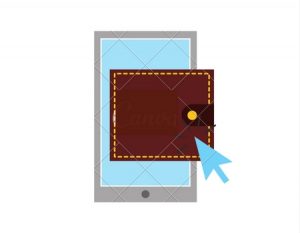 Mobile wallets have steadily gained ground and are here to stay. One reason is the growing popularization of point-of-sale systems in physical stores, and another is the ease of use for the customer. The number of retailers upgrading their POS systems to accept mobile payments, the same way they accept credit card payments, keeps increasing. As a result, more customers now pay with their phones rather than reaching for a credit card. Several major players in the mobile industry offer their own mobile wallet solutions, including Apple Pay, Google Pay, and Samsung Pay.
Mobile payments also provide a stronger level of security than traditional credit cards. They rely on tokenization, meaning the merchant never sees your actual card number, which helps protect you in the event of a data breach. Mobile payments have become mainstream, with many major retailers accepting them as a standard checkout option.
M-commerce Will Catch Up with eCommerce
A significant number of people prefer using their smartphones rather than a desktop for accessing the internet, including for shopping. In past years, mobile devices have accounted for a large and growing share of Black Friday sales, consistently increasing year over year. According to available statistics, roughly 40% of users leave a page after a bad mobile experience, and a large share of shoppers have faced difficulties completing mobile transactions. This points to a real opportunity for companies to boost customer conversion by building mobile-responsive websites and apps, including for shoppers who browse through popular platforms covered in our guide to popular eCommerce marketplace services or channels like Facebook Marketplace.
If you run a mobile app builder or any other B2B eCommerce app, you know how important the synchronization of your system with shopping carts is. The process of integration with shopping platforms is fairly complicated, though. It is both time and resource demanding venture.
Fortunately, there is a much more simple and efficient solution: API2Cart. It provides a single API to establish data integration between your app and 80+ shopping carts. With API2Cart, you can work with all leading shopping cart platforms including Magento, WooCommerce, BigCommerce, OpenCart, Shopify, and many others. Want to learn more? Schedule a consultation with our representative or try how API2Cart will work with your business by registering an account.